

 Español
 русский
 Français
 Português
 Deutsch
 عربى
عربى italiano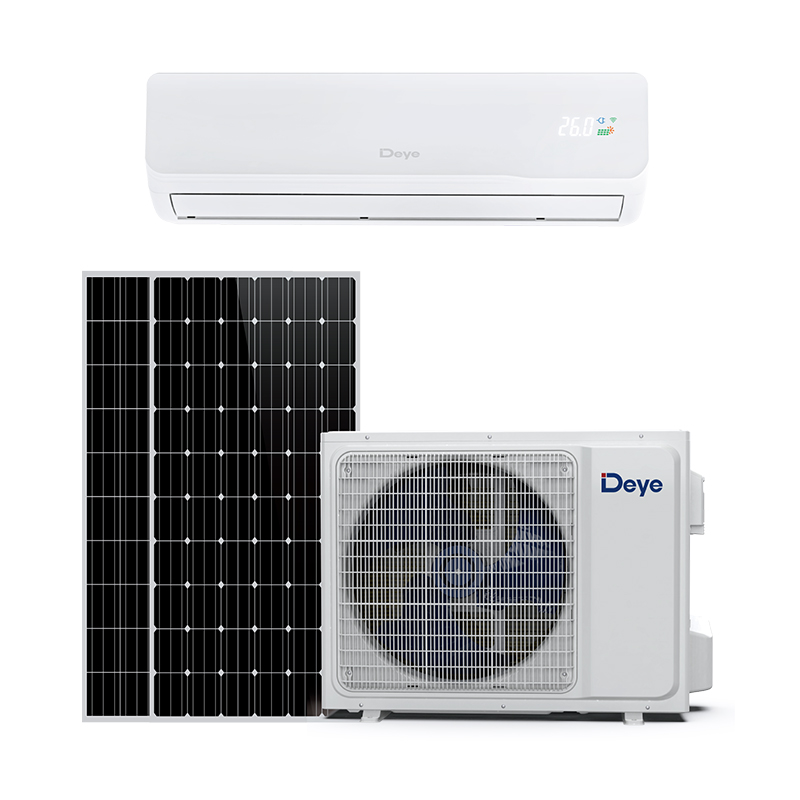
-1.jpg)
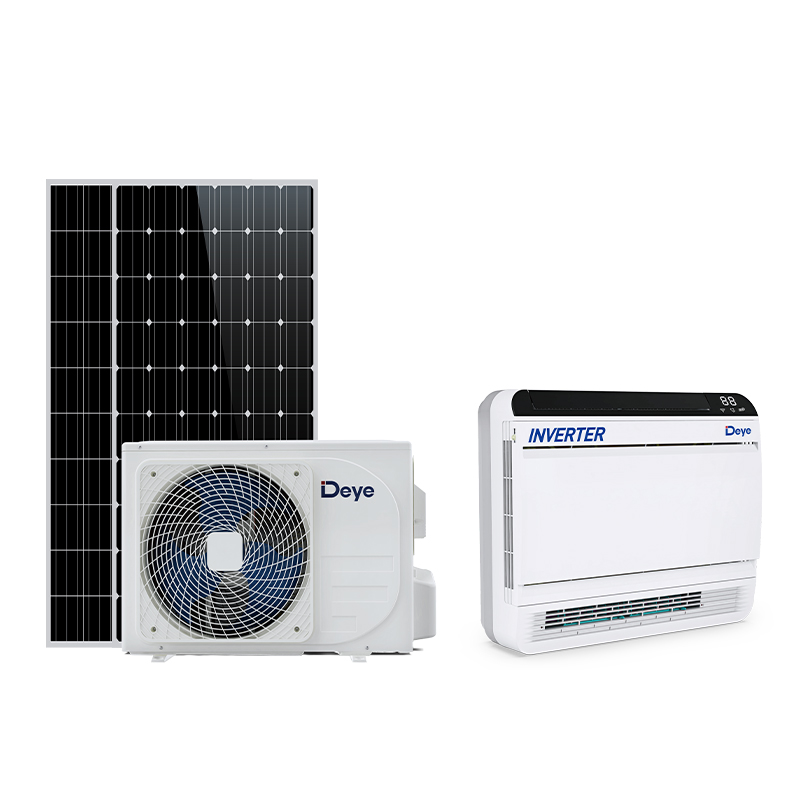

 DC Inverter
 WIFI control
 Hybrid Solar






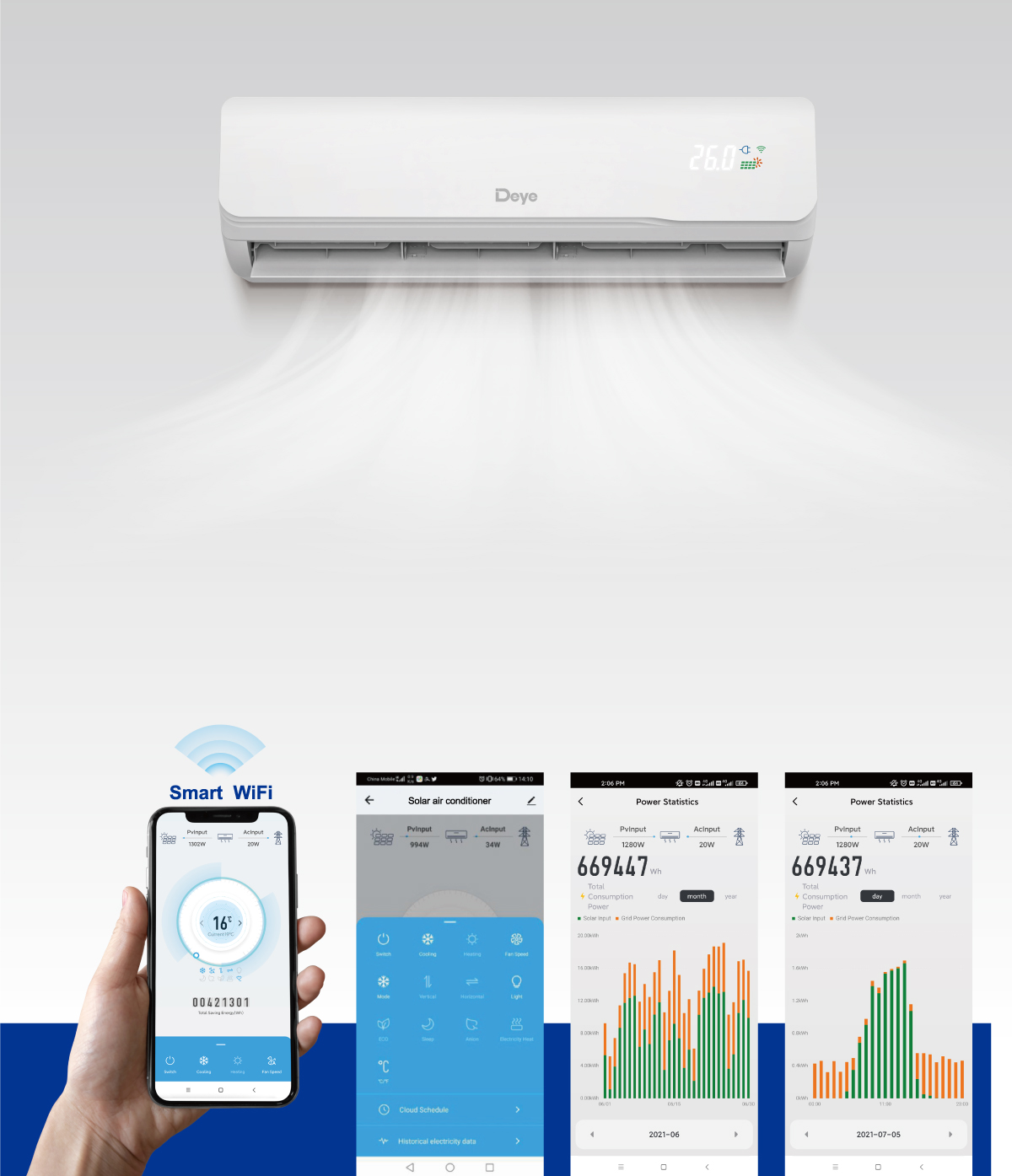


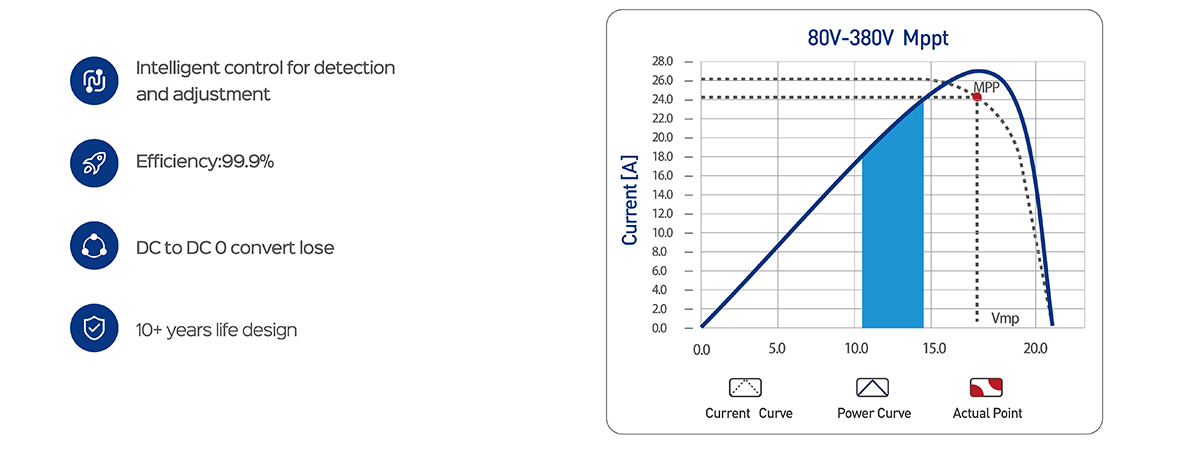
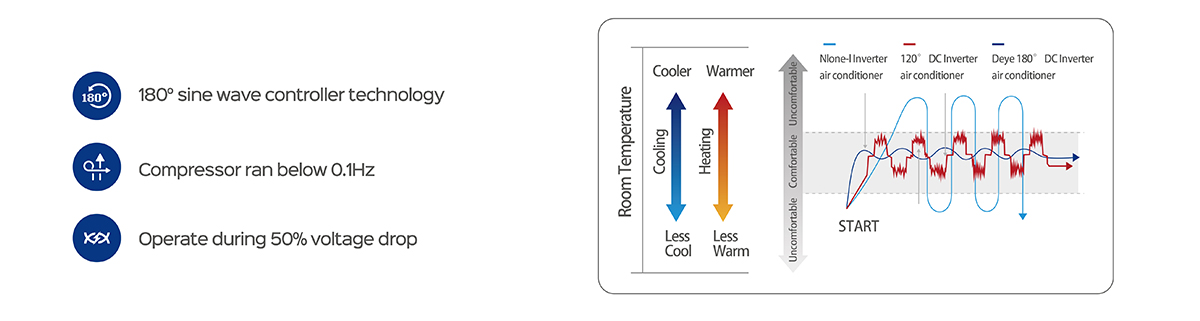



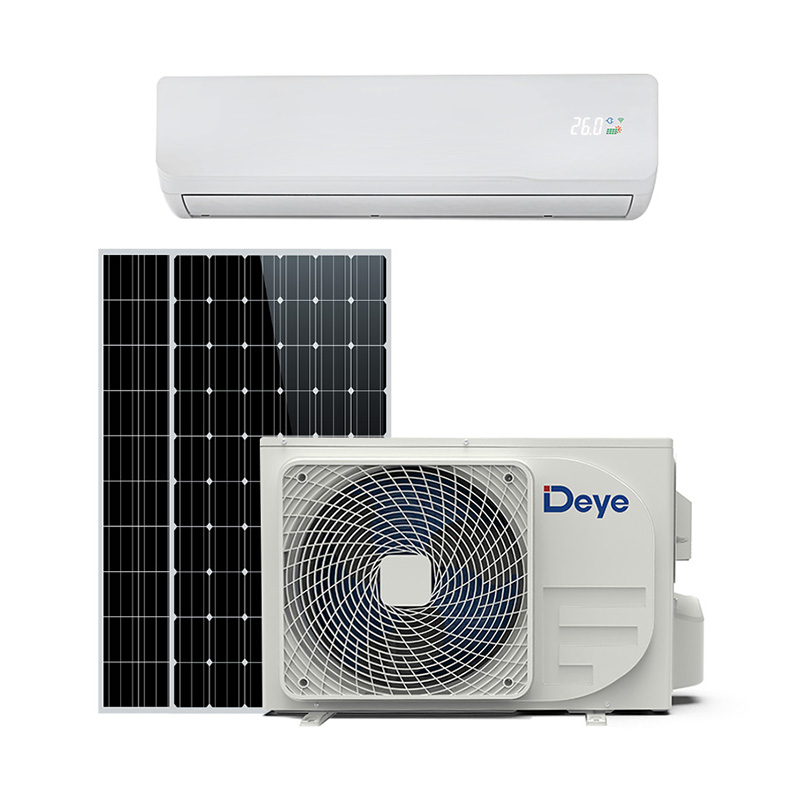
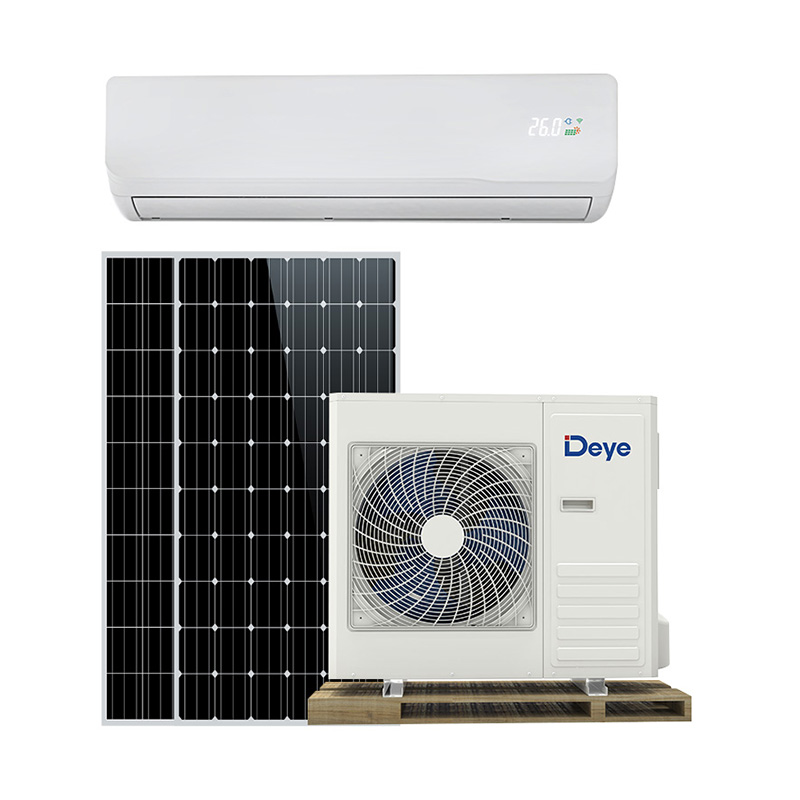
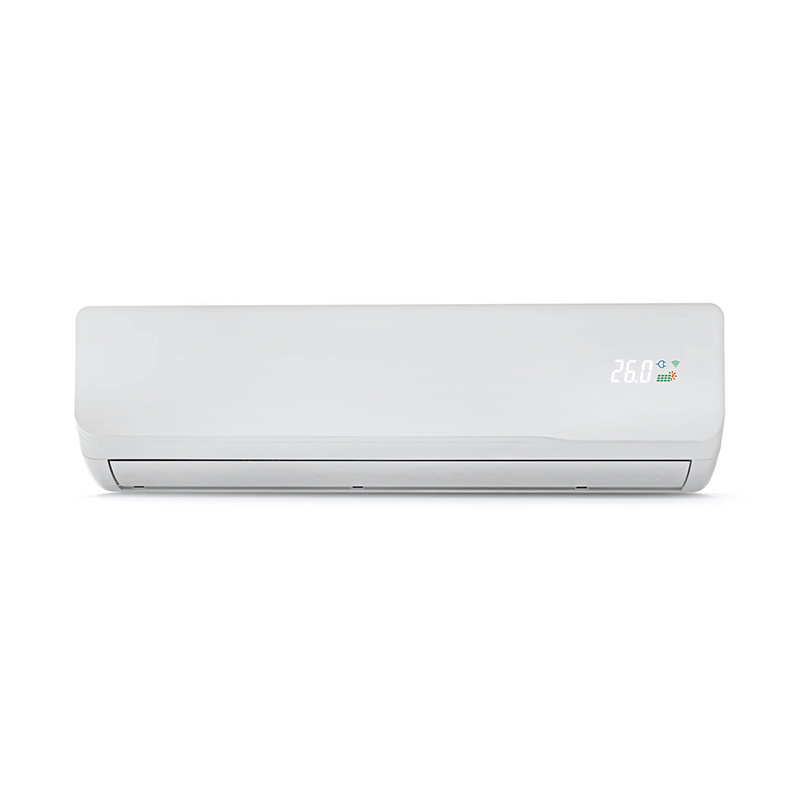
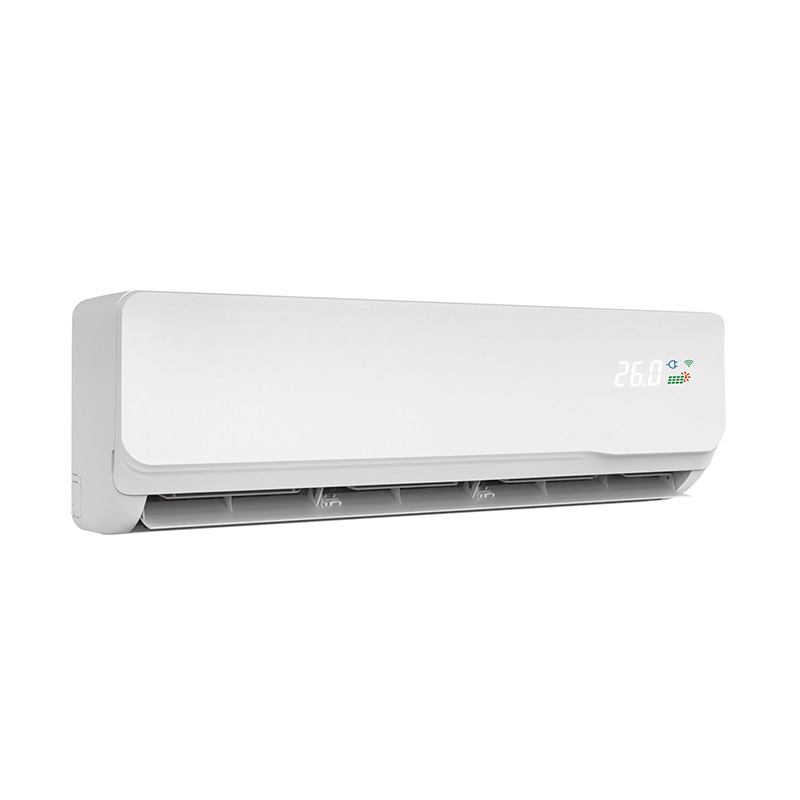
Introduction to Wall Mounted Solar AC with Hybrid ACDC Technology
As global attention on sustainable living and energy-efficient technologies continues to grow, wall-mounted solar air conditioners (Wall Mounted Solar AC) have become a popular solution due to their high efficiency and eco-friendliness. Especially with the use of hybrid ACDC technology and R410A/R32 refrigerants, these solar-powered air conditioners offer significant advantages in energy savings, environmental benefits, and long-term cost reduction.
Hybrid ACDC technology is a system that combines solar energy with grid electricity, allowing the air conditioner to operate while maximizing solar power use. This technology not only reduces electricity consumption but also helps decrease carbon emissions, promoting environmental protection.
R410A and R32 refrigerants are two of the most widely used refrigerants in modern air conditioning systems. These refrigerants are not only efficient in cooling but also represent significant environmental improvements. R32, in particular, has become the preferred choice for more energy-efficient systems due to its lower global warming potential.
In this context, this article will explore the workings, advantages, installation, and maintenance of wall-mounted solar air conditioners, particularly those that use hybrid ACDC technology and R410A/R32 refrigerants.
Understanding Solar AC Technology
How Solar AC Units Work
Wall-mounted solar air conditioners are systems that combine solar power with traditional grid electricity. The basic working principle involves solar panels converting sunlight into electricity, which then powers the air conditioning unit. When solar energy is abundant, the system prioritizes solar power, reducing the need for grid electricity. During times of insufficient sunlight, the system automatically switches to grid power to ensure continuous cooling.
Typically, a solar AC system consists of the following key components:
- Solar Panels: Collect solar energy and convert it into electrical power.
- Inverter: Converts the direct current (DC) generated by the solar panels into alternating current (AC) used by the air conditioner.
- Air Conditioning Unit: Similar to traditional AC units, it uses refrigerants to cool the air but is powered by a combination of solar and grid electricity.
- Battery Storage (Optional): Some solar AC systems are equipped with batteries to store excess energy for use during the night or on cloudy days.
Solar Power Integration
The key difference between solar-powered AC systems and traditional AC units is their energy source. Traditional AC units primarily rely on grid electricity, whereas solar AC systems integrate solar power and grid electricity to maximize the use of solar energy. This integration not only helps to reduce electricity costs but also decreases reliance on fossil fuels, making the system environmentally friendly.
Benefits of Solar Air Conditioning
- Energy Savings: By using solar power, the need for grid electricity is reduced, significantly lowering electricity costs.
- Environmental Impact: By using renewable energy—solar power—the system reduces greenhouse gas emissions, helping to lower carbon footprints.
- Energy Independence: Once solar panels are installed, users can reduce their reliance on external electricity sources, which becomes especially valuable when energy prices rise.
- Long-Term Economic Benefits: Although the initial investment in solar AC systems is higher, the significant savings in energy costs and potential government incentives lead to long-term financial benefits.
Hybrid ACDC Technology in Wall Mounted Solar AC Units
What is Hybrid ACDC Technology?
Hybrid ACDC technology combines both alternating current (AC) and direct current (DC), allowing air conditioning systems to switch seamlessly between solar power and grid electricity. Specifically, when solar energy is sufficient, the system uses DC power from solar panels to drive the air conditioner compressor. In cases where solar energy is insufficient (e.g., on cloudy days or at night), the system automatically switches to AC power from the grid to ensure continuous cooling.
Energy Efficiency & Reliability
Hybrid ACDC systems intelligently switch power sources based on external conditions, ensuring that the air conditioner runs efficiently without wasting energy. When solar power is low, the system automatically switches to grid power, while during sunny periods, the system makes the most of solar energy. This feature solves the problem of traditional solar AC systems that can become inefficient during cloudy days or at night.
Furthermore, with advanced control technologies, hybrid ACDC systems are more reliable than traditional systems, ensuring consistent operation even in extreme weather conditions.
Advantages of Hybrid ACDC Systems
| Advantages | Hybrid ACDC Systems | Traditional Solar AC Systems |
|---|---|---|
| Energy Efficiency | Efficient use of both solar and grid power, automatic switching to reduce waste | Relies solely on solar power, efficiency drops during cloudy days or at night |
| Operational Reliability | Intelligent adjustment, adapts to varying sunlight conditions, ensuring continuous operation | May fail to work properly in low sunlight or at night without grid power |
| Initial Investment | Higher due to hybrid system and complex installation | Relatively lower, as it does not involve complex power system integration |
| Long-Term Savings | Significant savings on electricity bills and reduced dependence on the grid | Initial savings, but higher long-term operating costs due to reliance on grid power |
| Environmental Impact | Uses renewable energy, reduces carbon emissions | Uses solar energy, but may still depend on grid power when solar energy is unavailable |
R410A and R32 Refrigerants: The Eco-Friendly Choices for Modern AC Systems
In air conditioning systems, refrigerants play a crucial role as they directly affect the cooling efficiency, energy consumption, and environmental impact. With increasing environmental awareness and concerns over climate change, both R410A and R32 have become the main refrigerants in modern air conditioning, especially in wall-mounted solar AC systems (such as those with hybrid ACDC technology).
Overview of R410A Refrigerant
R410A is a blended refrigerant primarily composed of hydrofluorocarbons (HFC-32) and hydrofluorohydrocarbons (HFC-125). It has been one of the most commonly used refrigerants in modern air conditioning systems since the 1990s. Compared to the traditional R22 refrigerant, R410A does not contain chlorine, meaning it does not deplete the ozone layer, making it an environmentally friendly option.
Characteristics of R410A:
- Higher Energy Efficiency: R410A offers higher heat exchange efficiency, which allows for stronger cooling performance at the same power consumption.
- Zero Ozone Depletion Potential (ODP): Since R410A does not contain chlorine, it does not contribute to ozone depletion.
- Higher Operating Pressure: R410A operates at higher pressures than R22, meaning it provides higher cooling capacity but requires air conditioning systems to be designed to withstand this increased pressure.
Why R32 is Gaining Popularity
R32 is a single-component refrigerant with lower global warming potential (GWP) and higher energy efficiency, making it increasingly popular in the air conditioning industry. Compared to R410A, R32 is considered more environmentally friendly, especially in the context of climate change, as it has a smaller impact on global warming.
Characteristics of R32:
- Lower Global Warming Potential (GWP): The GWP of R32 is only 675, whereas R410A has a GWP of 2088. A lower GWP means that R32 has less impact on climate change during its cooling process.
- Higher Energy Efficiency: R32 has a higher energy efficiency ratio compared to R410A, offering better cooling performance while using less energy, which helps save both energy and costs.
- Lower Refrigerant Charge: R32 requires a smaller refrigerant charge, reducing the overall amount of refrigerant used, which further reduces environmental impact.
Comparing R410A and R32: Environmental Impact and Efficiency
| Feature | R410A | R32 |
|---|---|---|
| Global Warming Potential (GWP) | 2088 | 675 |
| Ozone Depletion Potential (ODP) | 0 | 0 |
| Energy Efficiency (COP) | High, but lower than R32 | Higher, offers better cooling performance |
| Refrigerant Charge | Requires more refrigerant charge | Requires less refrigerant charge |
| Cooling Efficiency | High, suitable for most modern AC systems | Higher, especially for energy-efficient AC systems |
| Environmental Impact | No ozone depletion, but high GWP | More environmentally friendly, low GWP, meets environmental regulations |
| Service Life | Long, high-pressure resistant | Long, with high stability and safety |
| Charging Method | Requires professional equipment and technology, more complex | Relatively simpler to charge, but requires suitable materials and equipment |
As shown in the table above, R32 offers significant advantages in terms of environmental impact, energy efficiency, and refrigerant charge. While R410A remains a mainstream choice for many air conditioning systems, R32 is becoming increasingly popular in response to stricter environmental regulations and the growing demand for low GWP refrigerants.
Why R32 is Becoming the Preferred Choice
- Regulatory Push for Environmental Standards: As climate change becomes a more pressing issue, many countries and regions have implemented stringent environmental regulations that require the use of low-GWP refrigerants. R32’s low GWP makes it compliant with these regulations, driving its adoption by more air conditioning manufacturers and consumers.
- Energy Efficiency Benefits: R32 provides higher energy efficiency, which means air conditioning systems using R32 refrigerants can use less power while achieving better cooling, saving on both energy and costs. This is particularly important for hybrid ACDC solar AC systems, as they can maximize solar energy use without wasting power.
- Market Trends: Many air conditioning manufacturers have already shifted to using R32 refrigerants to meet environmental and energy-saving requirements. As a result, more hybrid ACDC solar AC systems are adopting R32 refrigerant.
Benefits of Wall Mounted Solar AC Units with Hybrid ACDC and R410A/R32 Refrigerants
As global attention to sustainable energy and energy-efficient technologies increases, wall-mounted solar air conditioners (Wall Mounted Solar AC) that combine hybrid ACDC technology with R410A/R32 refrigerants offer significant advantages in terms of energy efficiency, environmental benefits, and long-term cost savings.
Energy Savings: Reduced Electricity Bills
One of the most prominent advantages of wall-mounted solar AC units is their energy efficiency. By using solar energy as the primary power source, the hybrid ACDC system significantly reduces the reliance on traditional grid power. This not only lowers electricity bills but also helps consumers improve energy utilization efficiency.
- Utilizing Solar Power: During the day, solar panels convert sunlight into electricity, powering the air conditioner. This energy comes from a renewable source, which means no electricity bill.
- Night or Cloudy Days: When sunlight is insufficient, the air conditioner automatically switches to grid power, ensuring continuous cooling. However, due to abundant solar energy during the day, overall electricity costs are significantly reduced.
Energy Savings Comparison
| Energy Source | Hybrid ACDC System | Traditional AC Systems |
|---|---|---|
| Daytime | Primarily uses solar energy, almost no electricity bill | Relies on grid power, higher electricity costs |
| Night/Cloudy Days | Automatically switches to grid power, lower electricity costs | Completely dependent on grid power, higher electricity costs |
| Overall Electricity Bill | Significant savings on electricity bills | Higher ongoing electricity bills |
By combining solar power with grid energy, the hybrid ACDC solar AC system allows for highly efficient energy use, leading to substantial long-term savings on electricity costs.
Environmental Impact: Lower Carbon Footprint
Using renewable energy like solar power to run an air conditioning system is one of the most effective ways to reduce carbon emissions and minimize greenhouse gas emissions. Wall-mounted solar air conditioning systems, especially those utilizing R32 refrigerants, offer significant environmental benefits.
- Reduced Carbon Emissions: Unlike traditional air conditioning systems that rely on fossil fuels, solar ACs generate almost zero carbon emissions or other greenhouse gases, helping to reduce the carbon footprint.
- Low GWP Refrigerants: R32 refrigerant has a low Global Warming Potential (GWP) compared to R410A, making it a better option in terms of environmental impact. Using low GWP refrigerants in solar AC systems further reduces their overall environmental footprint.
Environmental Impact Comparison
| Feature | Wall Mounted Solar AC (Hybrid ACDC) | Traditional Electric AC Systems |
|---|---|---|
| Energy Source | Primarily uses solar power, reducing dependence on fossil fuels | Relies on grid power, which may come from fossil fuels |
| Carbon Emissions | Extremely low or almost zero | Depends on the energy source, usually higher emissions |
| Refrigerant Type | R32 (low GWP) | R410A (higher GWP) |
By combining solar energy with low-GWP refrigerants, the wall-mounted solar AC system greatly reduces environmental pollution and has a clear advantage in terms of sustainability.
Cost Savings Over Time: Government Incentives and Long-Term Savings
Although the initial investment for Wall mounted Solar AC- Hybrid ACDC R410A/ R32 systems is relatively high, the long-term savings on electricity bills and potential government incentives make this system highly cost-effective over time.
- Government Incentives: Many countries and regions offer subsidies or tax incentives for installing solar systems. These incentives can significantly reduce the initial investment burden.
- Low Operating Costs: Solar ACs have much lower operating costs compared to traditional ACs, especially after incorporating hybrid ACDC technology, where solar energy can be used to power the system during the day. Grid power is only needed during extreme conditions, further lowering operational costs.
- Extended Equipment Lifespan: Solar AC systems typically have a longer lifespan compared to traditional ACs because they do not rely entirely on grid power, which reduces system wear and tear and energy consumption.
Cost Savings Comparison
| Feature | Wall Mounted Solar AC (Hybrid ACDC) | Traditional AC Systems |
|---|---|---|
| Initial Investment | Higher (includes solar panels, installation costs, etc.) | Lower |
| Government Incentives | Can receive government subsidies or tax incentives | Usually no related incentives |
| Long-Term Electricity Savings | Significant savings, especially when using solar energy during the day | Higher electricity costs, depending on usage and electricity rates |
| Maintenance Costs | Relatively low, mainly regular cleaning and checking of solar panels | Regular maintenance may include refrigerant refills and system repairs |
Through government subsidies and long-term savings on electricity bills, users can recover the initial investment over several years, resulting in a substantial financial return.
Increased Property Value: Appeal to Eco-Conscious Buyers
In the real estate market, the application of eco-friendly technologies has become an important factor in determining property value. Properties that have installed Wall mounted Solar AC- Hybrid ACDC R410A/ R32 systems, especially those combining hybrid ACDC technology with low-GWP refrigerants, tend to attract more eco-conscious buyers.
- Market Trends: As environmental awareness grows, more and more buyers and tenants are inclined to choose green and energy-efficient homes. Wall-mounted solar AC systems enhance the appeal of properties, especially in today’s market where sustainability is increasingly valued.
- Long-Term Return: In addition to increasing property value, the energy-saving and eco-friendly features also attract buyers or tenants who are conscious of long-term operating costs. Thus, this type of air conditioning system not only provides direct savings to users but also adds value to real estate in the market.
Property Value Comparison
| Feature | Wall Mounted Solar AC (Hybrid ACDC) | Traditional AC Systems |
|---|---|---|
| Market Appeal | High, especially among eco-conscious buyers | Average, unless the property has other unique selling points |
| Long-Term Value Return | Increases property value, appealing to buyers willing to pay a premium for eco-friendliness | Limited increase in property value, lower appeal for eco-conscious buyers |
| Buyer Preference | More and more buyers prefer green, eco-friendly homes | Traditional AC properties still dominate the market but lack green features |
By providing energy-saving and eco-friendly advantages, wall-mounted solar AC systems not only reduce the user’s living costs but also increase the property’s market competitiveness, attracting more potential buyers.
Installation and Maintenance of Wall Mounted Solar AC Units
Wall-mounted solar air conditioning systems, due to their integration of solar panels and precision air conditioning technology, require specialized installation and maintenance compared to traditional air conditioners. Proper installation and regular maintenance are critical for ensuring long-term high performance.
Step-by-Step Guide to Installing a Wall Mounted Solar AC Unit
Installing a wall-mounted solar AC system involves not only the usual steps for installing an air conditioning unit but also considerations for positioning the solar panels, battery storage (if applicable), and the inverter. Below is a detailed step-by-step guide for installing the system:
- Choose the Installation Location:
- Air Conditioner Location: Select a wall space that allows for good airflow and ensures that the air outlet is unobstructed. The wall should have enough load-bearing capacity to support the weight of the unit.
- Solar Panel Location: Choose an unobstructed location such as the roof or balcony to ensure maximum exposure to sunlight. The panels need to be placed at an optimal distance from the air conditioner to minimize energy loss.
- Inverter Location: The inverter should be installed in a well-ventilated, dry, and temperature-controlled area to prevent overheating and damage.
- Prepare Installation Tools:
- Air conditioner mounting brackets
- Solar panel mounting brackets
- Cables, junction boxes, inverter, etc.
- Professional electrical tools (e.g., drill, cable cutters, etc.)
- Install the Solar Panels:
- Install the mounting brackets: First, install the brackets on the roof or balcony to ensure that they are secure and able to support the weight of the solar panels.
- Mount the panels: Secure the solar panels onto the brackets and ensure they are facing the sun with the correct angle for optimal sunlight exposure.
- Connect the cables: Run the cables from the solar panels into the building and connect them to the inverter.
- Install the Air Conditioning Unit:
- Mount the wall unit: Secure the air conditioner to the selected wall, ensuring it is firmly attached and that the drainage pipe is installed correctly.
- Connect the refrigerant lines: Connect the refrigerant piping and ensure all lines are sealed properly to prevent leaks.
- Electrical connections: Connect the air conditioner to the inverter, ensuring the power supply system works properly.
- Commissioning and Testing:
- Perform a full system check to confirm that the solar panels, battery storage (if any), inverter, and air conditioning system are properly connected and functioning.
- Start the air conditioning system and test the seamless transition between solar power and grid power, ensuring the system works as expected.
- Final Inspection and Handover:
- Ensure that all components are functioning as expected, and the system is operating efficiently to meet user needs.
- Provide the user with instructions on how to operate the system and basic maintenance practices.
Tips for Maintaining Wall Mounted Solar AC Units
Proper regular maintenance is essential to keep a wall-mounted solar AC system running efficiently and to extend the lifespan of both the air conditioner and the solar components. Here are some maintenance tips to ensure the longevity and optimal performance of the system:
- Regular Cleaning of Solar Panels:
- Cleaning Frequency: It is recommended to clean the solar panels every 3-6 months, especially if they are installed in areas with high dust or pollution. Use mild soapy water and a soft cloth to wipe the surface of the panels to avoid damaging them with harsh chemicals.
- Safety Considerations: Always turn off the AC system when cleaning the solar panels, and take proper safety precautions when accessing the panels on the roof or high places.
- Check the Cooling Performance of the Air Conditioner:
- Annually inspect the air conditioning system to ensure it is performing as expected. If you notice a drop in cooling performance, it could be due to refrigerant leakage or other system issues that need professional repair.
- Regularly inspect the condenser and evaporator coils for dust and debris buildup, which can hinder the cooling efficiency.
- Inspect Refrigerant Lines and Electrical Connections:
- Refrigerant: If the air conditioner is not cooling properly, there may be a refrigerant leak. Periodically check the refrigerant lines and call a professional for refilling if necessary.
- Electrical Connections: Check the connections between the inverter, battery storage (if applicable), and the air conditioner to ensure a stable power supply.
- Inspect the Inverter's Operation:
- Regularly check the inverter’s performance to ensure there are no overheating issues or faults. The inverter plays a crucial role in converting solar energy into usable power, so it needs to be kept in optimal working condition.
- Inspect Battery Storage (If Applicable):
- If your system includes a battery storage system, check the battery levels and charging/discharging performance regularly to ensure it is storing and discharging power efficiently. Over time, batteries may need to be replaced according to the manufacturer's recommendations.
Importance of Professional Installation and Regular Maintenance
Given that the solar air conditioning system involves electrical components and solar panel installations, professional installation and regular maintenance are especially important. Below are some key reasons why professional service is essential:
- Safety Assurance: Solar air conditioning systems involve high-voltage electricity and complex electrical connections. Improper installation can lead to system malfunctions or safety hazards. Professional installation ensures the system is set up safely and reduces potential risks.
- Improved System Efficiency: Professionals can optimize the installation and component placement for maximum energy efficiency, ensuring the system works at its best.
- Extended Equipment Lifespan: Regular professional maintenance can prevent major failures by addressing small issues before they become costly repairs, extending the lifespan of both the air conditioning system and solar panels.
- Warranty Protection: Many manufacturers require installation and maintenance to be carried out by certified professionals to protect the warranty. Choosing a certified service provider ensures that your warranty remains valid.
Troubleshooting Common Issues with Wall Mounted Solar AC Units
While wall mounted solar AC units, particularly those utilizing hybrid ACDC systems and high-efficiency refrigerants like R32, are generally reliable, users may encounter some common issues over time. These problems could arise from various factors, including the performance of solar panels, the operation of the AC system, or issues with electrical and refrigerant connections.
Common Problems Encountered with Solar AC Units
1. AC system not starting or stopping
- Possible Causes:
- Insufficient battery storage, unable to provide adequate power.
- Grid power issues, preventing the system from switching to grid electricity.
- Electrical faults or issues with the AC's control panel.
- Solutions:
- Check solar panel and battery storage levels to ensure they are sufficient.
- Inspect the inverter and grid connections to ensure stable power supply.
- If the problem lies with the AC itself, check electrical connections and contact a professional for repairs if needed.
2. Poor cooling performance
- Possible Causes:
- Refrigerant leakage or insufficient refrigerant.
- Clogged air filters or evaporators restricting airflow.
- Solar panels are dirty or shaded, reducing the amount of sunlight absorbed.
- Solutions:
- Regularly clean the air filters and evaporator coils to improve airflow.
- Inspect refrigerant lines for leaks, and top up refrigerant if necessary.
- Clean the solar panels to remove dust and debris, ensuring maximum sunlight absorption.
- Check the thermostat settings to ensure proper temperature control.
3. Excessive noise from the AC unit
- Possible Causes:
- Dirty or damaged fan blades.
- Clogged condenser unit causing abnormal pressure in the system.
- Loose electrical connections inside the AC unit causing vibration and noise.
- Solutions:
- Clean the fan blades and condenser unit to remove dust and debris.
- Check for loose electrical connections and tighten them as necessary.
- If noise persists, contact a professional technician to inspect for mechanical issues.
4. Solar panels not charging effectively
- Possible Causes:
- Dust or dirt on the solar panel surface reducing light absorption efficiency.
- Suboptimal angle or placement of the solar panels, leading to inadequate sunlight exposure.
- Inverter malfunction, preventing the conversion of solar energy into electricity.
- Solutions:
- Regularly clean the solar panels to ensure there is no dirt or debris blocking sunlight.
- Ensure that solar panels are positioned at the optimal angle and facing the sun to maximize energy absorption.
- Check the inverter and battery storage system to confirm they are functioning properly.
Troubleshooting Tips and Solutions
Below is a quick reference table for troubleshooting and resolving common issues that may arise in wall mounted solar AC units:
| Issue | Possible Causes | Solutions |
|---|---|---|
| AC system not starting or stopping | Battery storage insufficient, grid power issues, electrical faults in AC system | Check battery levels, confirm grid connections, inspect electrical system of AC unit |
| Poor cooling performance | Refrigerant leak, blocked filters, dirty solar panels | Clean filters and evaporator, check refrigerant levels, clean solar panels |
| Excessive noise from AC unit | Dirty fan blades, clogged condenser, loose electrical connections | Clean fan blades, check for loose connections, inspect for mechanical faults |
| Solar panels not charging effectively | Dust on panels, poor placement, inverter malfunction | Clean panels, adjust panel angle for optimal sunlight, check inverter function |
When to Seek Professional Help
While many minor issues can be diagnosed and resolved by the user, it's advisable to seek professional help in the following cases:
- When the problem cannot be fixed using common troubleshooting methods: If the AC system continues to fail to start or cool effectively, even after addressing common faults.
- Refrigerant leak issues: Refrigerant leaks may require specialized tools and professional expertise to detect and repair.
- Electrical system faults: Issues with the inverter, condenser, control panel, or wiring should be handled by a certified professional.
- Installation or maintenance concerns: If you have doubts about the installation or suspect improper maintenance, it's best to contact a professional technician for inspection and repair.
FAQ
When installing and using a wall-mounted solar air conditioning system, users may encounter many common questions. To help users better understand how the system works, its maintenance requirements, and its advantages, we have compiled a list of frequently asked questions and their answers.
1. What is a wall-mounted solar air conditioning system?
A wall-mounted solar air conditioning system combines solar energy technology and traditional air conditioning systems. It uses solar energy as the primary power source to run the air conditioner, reducing reliance on grid electricity. The system typically includes solar panels, an inverter, battery storage (if any), and a traditional air conditioning unit.
- Main Benefits: Energy-saving, eco-friendly, reduces electricity bills, lowers carbon emissions.
2. How does a wall-mounted solar air conditioner save on electricity bills?
The wall-mounted solar air conditioner uses solar energy to power the system, reducing reliance on traditional electricity grids. Especially during sunny days, the solar panels convert sunlight into electricity, allowing the air conditioner to operate with almost zero electricity cost. In the evening or on cloudy days, the system automatically switches to grid power, but overall, using solar energy significantly reduces electricity expenses.
- Long-term Savings: Users typically save 30%-70% on their electricity bills with solar air conditioning.
3. What are the differences between R410A and R32 refrigerants?
R410A and R32 are both commonly used refrigerants in air conditioners, but they differ in environmental impact and performance.
| Feature | R410A | R32 |
|---|---|---|
| Global Warming Potential (GWP) | Higher (2088) | Lower (675) |
| Cooling Efficiency | High | Higher (R32 is more efficient than R410A) |
| Environmental Impact | Higher environmental impact | More eco-friendly, low GWP, ideal for eco-friendly systems |
| Application | Widely used in residential and commercial air conditioning | More commonly used in newer air conditioning systems |
R32 refrigerant has a lower GWP and higher cooling efficiency, making it a more eco-friendly and efficient choice.
4. How does hybrid ACDC technology work?
Hybrid ACDC technology integrates solar energy with grid electricity, allowing the air conditioning system to run on solar power during sunny days and automatically switch to grid power when sunlight is insufficient.
- Daytime Solar Use: During sunlight hours, solar panels convert sunlight into electricity to power the air conditioner, reducing grid power consumption.
- Nighttime Grid Power Use: During the night or on cloudy days, the system automatically switches to grid power to ensure the air conditioner continues to operate.
Benefits: Hybrid systems significantly reduce energy costs without compromising comfort, offering high reliability.
5. Is the installation of a wall-mounted solar air conditioner difficult?
The installation of a wall-mounted solar air conditioner is more complex than traditional air conditioning systems, as it involves the installation of solar panels, an inverter, and connecting the air conditioning unit. The process includes installing solar panels, connecting them to the air conditioner, and connecting refrigerant pipes.
- Recommendation: To ensure the system operates safely and efficiently, it is strongly recommended that a certified professional handle the installation.
6. How do I maintain a wall-mounted solar air conditioning system?
Regular maintenance is crucial to ensure the wall-mounted solar air conditioning system continues to function efficiently. The key maintenance steps include:
- Clean Solar Panels: Regularly clean the surface of the solar panels to prevent dust or dirt from blocking sunlight.
- Check Air Conditioner Filter and Evaporator: Clean the filter and evaporator to ensure proper airflow.
- Check Refrigerant and Electrical Connections: Inspect refrigerant pipes and electrical connections for leaks and loose cables.
- Check Inverter and Battery Storage (if applicable): Ensure the inverter is working properly, and check the battery charge status.
7. How can I tell if my solar air conditioner system is operating efficiently?
To ensure your solar air conditioner system is functioning efficiently, periodically check the following:
- Cooling Performance: Ensure the air conditioner is cooling quickly and effectively.
- Electricity Bill Changes: Compare your electricity bill before and after installation to see significant savings.
- Solar Panel Efficiency: Regularly check that the solar panels are clean and not obstructed by dirt or debris.
- Inverter and Battery System: Ensure the inverter is converting solar energy into electricity and the battery is charging properly.
8. What should I do if my system malfunctions?
If a malfunction occurs, users can first perform basic troubleshooting, such as checking battery levels, solar panel and inverter functionality, and cleaning the filter and evaporator. If these regular actions do not resolve the issue, it is recommended to contact a professional technician for a detailed inspection and repair, especially for electrical system and refrigerant leakage issues.
9. Can I use a wall-mounted solar air conditioner without a battery storage system?
Yes, you can use a wall-mounted solar air conditioner without a battery storage system. The system will use solar power during the day to run the air conditioner and automatically switch to grid power at night or during periods of insufficient sunlight. Systems without battery storage will rely on immediate solar power and grid electricity, and the costs are relatively lower, but during poor sunlight conditions, the system may rely more on grid power.
10. What is the average lifespan of a wall-mounted solar air conditioner system?
The lifespan of a wall-mounted solar air conditioning system depends on several factors, including installation quality, usage frequency, and maintenance practices. Generally, solar panels last 20-25 years, while the air conditioning unit typically lasts 10-15 years. With proper maintenance, the system can continue to function efficiently for a long time.
11. Does installing a wall-mounted solar air conditioner increase property value?
Yes, installing a wall-mounted solar air conditioning system can increase the market value of a property, especially for buyers who prioritize sustainability and energy efficiency. With growing awareness of green building practices and sustainability, more homebuyers are looking for energy-efficient properties. Installing a solar air conditioning system not only reduces energy costs but also makes the property more attractive and valuable.
